The Cup of Tea and the Dissolving Ground
On a pleasant, sunny afternoon in 1972, thirty-six-year-old Deirdre Blomfield-Brown was standing in the yard of her Northern California home, holding a freshly brewed cup of tea. She was an ordinary elementary school teacher and mother of two, living what appeared to be a stable, comfortable domestic life. Without warning, her husband walked around the corner of the house, looked at her, and casually announced that he had been having an affair and was leaving her for another woman.
The shock hit her with physical violence. Decades later, she would vividly recount that exact moment: time seemed to stop, the sky overhead became terrifyingly enormous, and the ground beneath her feet completely dissolved. She looked down at the steaming cup of tea in her hand, feeling as though she had been thrust into a completely different dimension.
In the months that followed, her world collapsed into an abyss of rage, panic, and despair. Her emotional pain was so visceral that it manifested as physical nausea, vertigo, and sleeplessness. Driving through town, she was seized by furious impulses, at times pulling her car over to scream in agony or throw rocks at passing vehicles. She sought out therapies and spiritual groups, but every time the initial numbness wore off, the raw sting of betrayal, jealousy, and humiliation returned with unabated fury. She realized that everything she had used to define herself—her marriage, her social identity, and her emotional security—had been wiped away, leaving her naked in an emotional wasteland.
Leaning Into the Sharp Points and the Breath of Tonglen
Searching for a way to survive without numbing herself with alcohol, tranquilizers, or bitterness, she traveled to the French Alps. There, she encountered an article by Tibetan meditation master Chögyam Trungpa Rinpoche that struck her like an electric shock. In it, the master wrote: "There is nothing to be afraid of. Chaos should be regarded as extremely good news."
Rather than treating her heartbreak as a mistake to be fixed or an obstacle to be bypassed, she resolved to make the pain itself the path of spiritual transformation. She met Trungpa Rinpoche in 1974, shaved her head, and committed to two foundational Tibetan Buddhist disciplines: Lojong (mind training) and Tonglen (the practice of "sending and taking"):
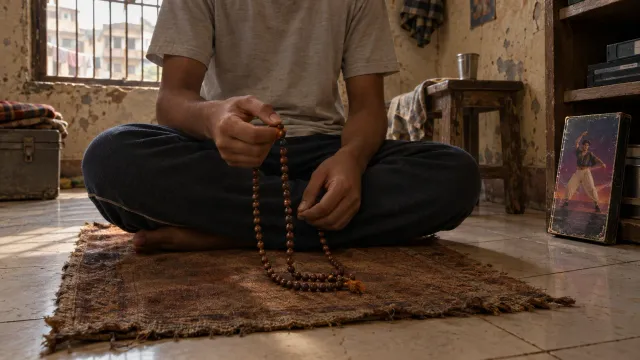
1. Reversing the Logic of Ego Through Tonglen: Most human beings instinctively spend their lives moving toward pleasure and running away from pain. Tonglen meditation reverses that ancient survival wiring. Sitting quietly in upright meditation, Pema practiced visualizing taking in the hot, dark, heavy suffering of herself and all other beings on every in-breath—welcoming the emotional ache into her heart rather than pushing it away. On every out-breath, she visualized breathing out cool, luminous, spacious relief, joy, and healing to the world.
2. Dropping the Storyline: In her meditations, Pema observed that what caused the most agony was not the raw physical sensation of heartbreak, but the mental "storyline"—the endless internal loops of blame, victimhood, self-pity, and outrage. She trained herself in a radical mindfulness technique: whenever her mind began replaying the betrayal, she dropped the words completely and allowed herself to experience the raw, naked energy of the emotion vibrating in her chest, throat, and stomach without labels.
3. Leaning into Groundlessness: Rather than reaching for comforting beliefs, spiritual platitudes, or hasty rebounds to restore emotional certainty, she practiced "relaxing into the essential groundlessness of our situation." She called this leaning into the sharp points—sitting directly on the razor's edge of vulnerability and discovering that when you stop resisting pain, it softens into spacious presence.
4. Monastic Rigor and Community Service: In 1981, she traveled to Hong Kong and received full monastic ordination as a Buddhist nun (Bhikshuni) under the 16th Karmapa, taking the name Pema Chödrön ("Lotus of the Torch of Dharma"). She anchored her days in four to six hours of seated meditation, chanting, and silent contemplation.
From Shattered Marriage to Global Teacher of Resilience
The disciplined practice of welcoming heartbreak transformed Pema Chödrön's life completely. The volcanic anger and humiliating despair that had once driven her to throw stones dissolved into an unshakable, tender open-heartedness. She discovered that by becoming intimate with her own deepest suffering, she had unlocked the capacity to hold the suffering of the entire world with boundless empathy.
In 1984, Trungpa Rinpoche appointed Pema as the director of Gampo Abbey in Cape Breton, Nova Scotia—the first Tibetan Buddhist monastery established for Westerners in North America. Under her leadership, the abbey grew into a revered sanctuary of contemplative practice.
In 1996, drawing on twenty-five years of meditative inquiry into crisis and fear, she published When Things Fall Apart: Heart Advice for Difficult Times (Shambhala Publications). The book became an international classic, selling millions of copies worldwide, being translated into thirty-two languages, and guiding countless readers through divorce, grief, illness, and catastrophic loss. She followed it with bestsellers including The Places That Scare You and Welcoming the Unwelcome.
Pema Chödrön's transformation proved that heartbreak is not the end of a human life, but its most fertile beginning. By breathing in the sharp points of suffering rather than running from them, she demonstrated that the very wounds that threaten to break us are the gateways through which our deepest compassion is born.