The Frowny Face on Half Dome
In September 2008, twenty-three-year-old Alex Honnold stood at the summit of Yosemite's iconic 2,000-foot granite monolith, Half Dome. He had just completed the first ropeless free solo ascent of its Regular Northwest Face—a feat heralded by climbing magazines as an astonishing milestone in human athletic history. Yet as tourists at the summit snapped photos and celebrated his achievement, Honnold felt deeply hollow and rattled.
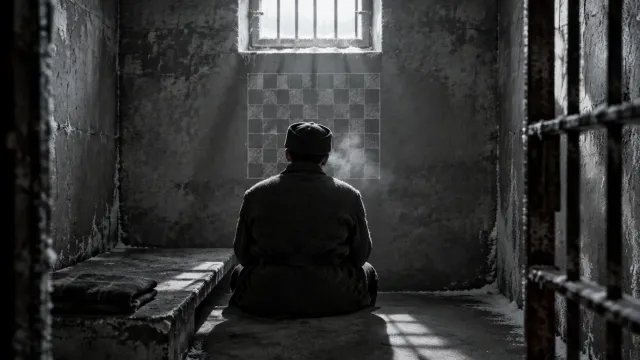
Behind the public praise, Honnold knew he had barely survived. He had set out up the massive cliff without meticulous preparation, figuring he would simply rise to the occasion. Instead, halfway up the face, he took an unfamiliar variation and became disoriented. Two thousand feet above the valley floor, on a friction slab with no handholds, his nerve broke. His feet felt slippery on minuscule ripples of granite, and terror locked his body in place. Paralysis gripped him for what felt like an eternity before he blindly forced his weight onto his right foot, narrowly escaping a fatal fall.
That night, alone in his converted van, Honnold opened his climbing logbook. Instead of celebrating, he drew a frowny face and scribbled a somber note to himself: "Do better?" He recognized a terrifying truth: he had not achieved true mastery; he had merely gotten lucky. Vowing never to rely on luck with his life again, Honnold set his sights on the ultimate test of human courage: the 3,000-foot sheer vertical wall of El Capitan. Yet for the next seven years, every time he drove into Yosemite Valley and gazed up at the southwest face, fear stopped him cold. The wall was too vast, the exposure too horrifying, and the margin for error zero.
Micro-Sequencing, the Boulder Problem, and Emotional Visualization
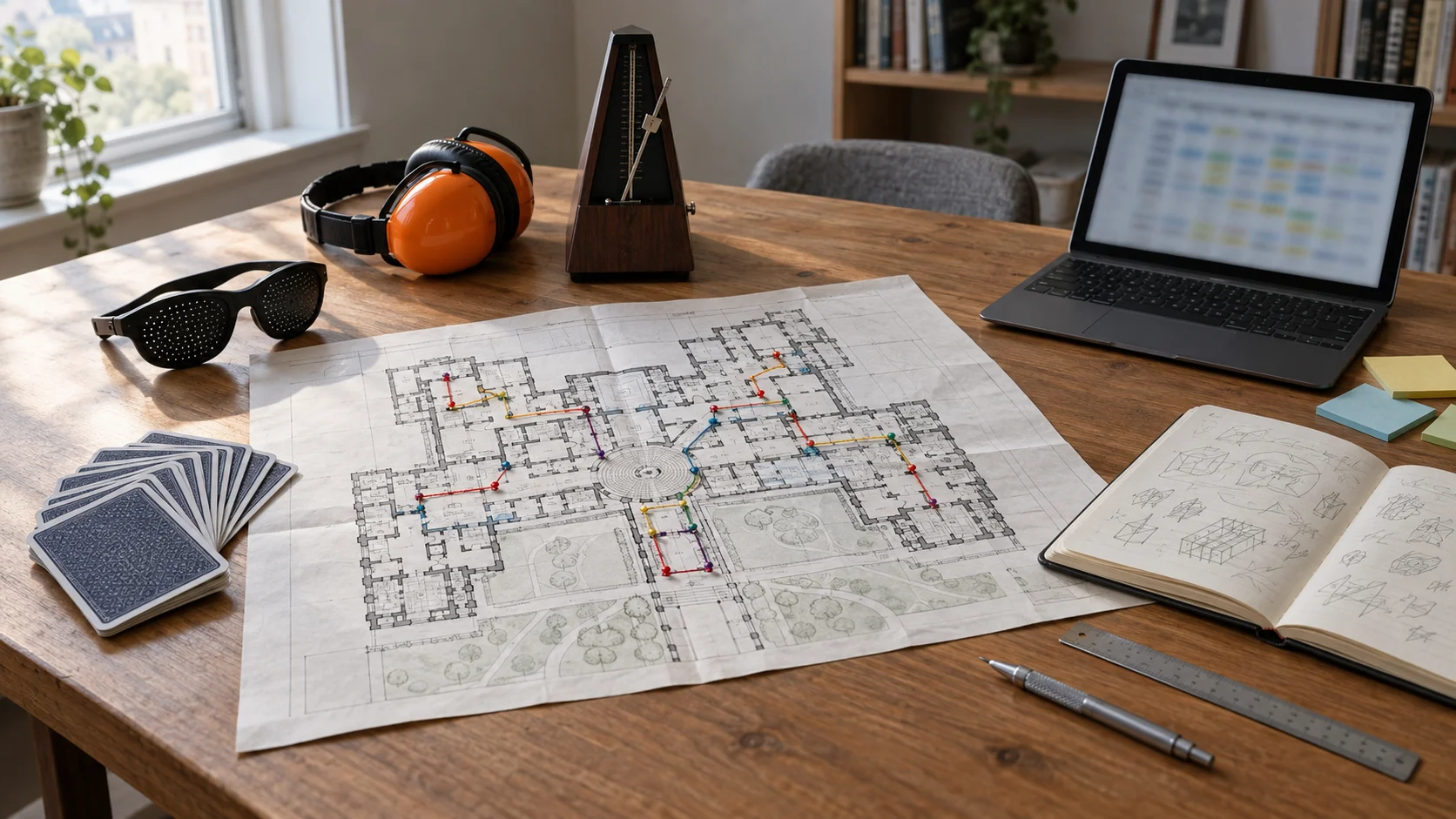
Honnold realized that ascending a 3,000-foot vertical cliff without ropes could not be conquered through physical strength alone. Climbing with a rope was physical labor, but free soloing was psychological architecture. To transform terrifying exposure into calm execution, Honnold spent two intense seasons engineering an unprecedented mental rehearsal discipline:
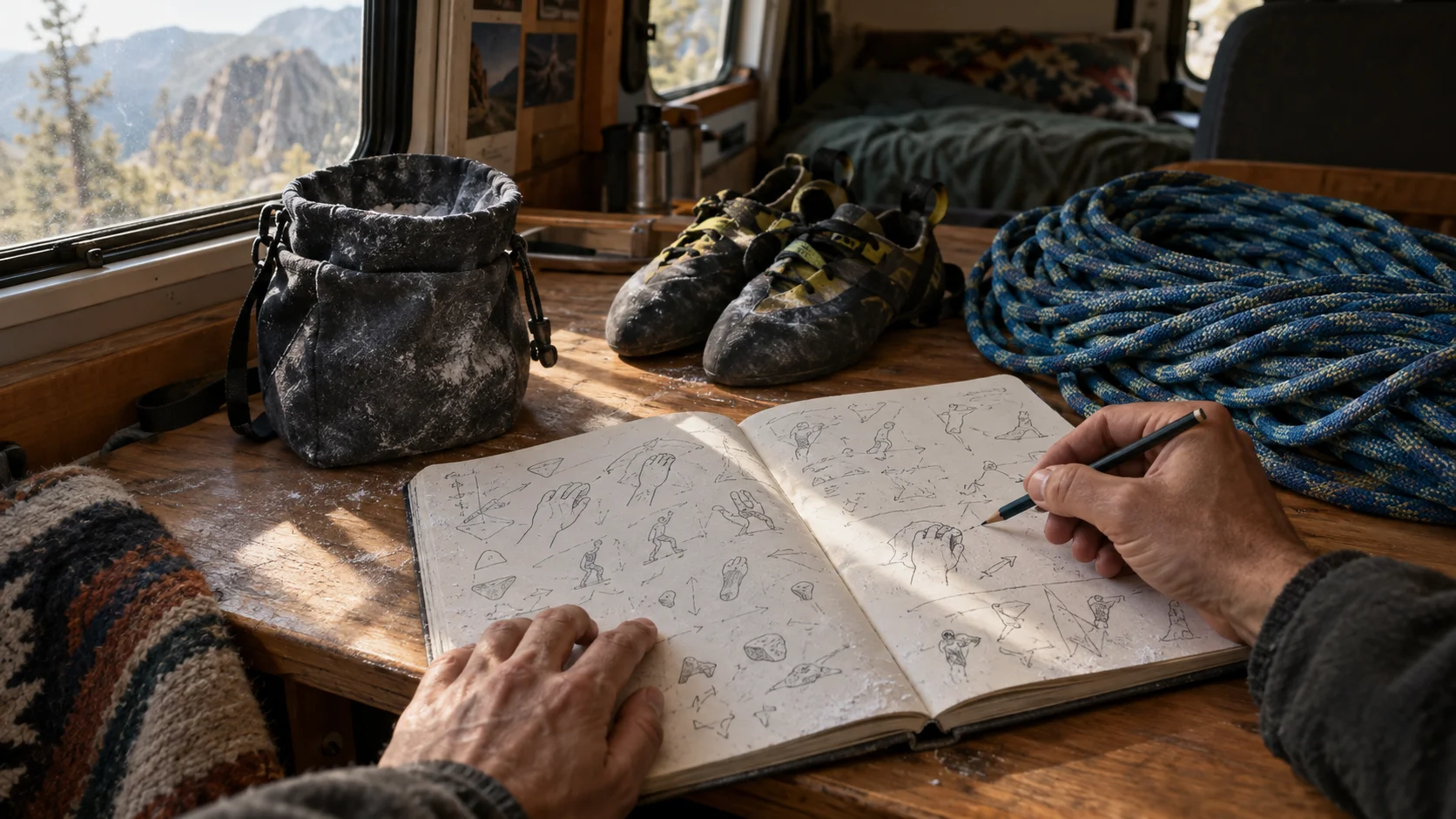
1. Granular Physical Rehearsal and Notebook Cataloging: Rappelling thousands of feet down from the summit on ropes, Honnold climbed the Freerider route dozens of times. He tested hundreds of variations until he found movements that felt secure and repeatable. He memorized thousands of individual hand and foot movements, cataloging every micro-crystal, thumb press, and friction smear into a detailed handwritten notebook in his van.
2. Motor Imagery as a Choreographed Dance: Sitting quietly on the floor of his van for hours with his eyes closed, Honnold rehearsed the entire 3,000-foot climb in his mind. He visualized the texture of each hold against his skin, the exact tension in his core, and the precise angle of his shoes against the rock. By mentally repeating the entire route hundreds of times, he turned complex sequences into automated muscle memory.
3. Conquering the Boulder Problem and Karate Kick: Pitch 23—the infamous Boulder Problem, located 2,000 feet up—featured the hardest moves on the route: pulling on a downward thumb hold narrower than a pencil, followed by a dynamic lateral "karate kick" with his left foot onto an adjacent blank slab. To ensure his body could make the reach effortlessly, Honnold executed a dedicated stretching routine every single night for a full year and visualized the kick hundreds of times until hesitation was eradicated.
4. Pre-Experiencing Fear and Doubts on the Ground: Honnold did not limit visualization to positive outcomes. Crucially, he practiced emotional visualization—mentally confronting every worst-case scenario while safely on the ground. He vividly imagined feeling exhausted 2,000 feet up, encountering unexpected wind, or feeling panic rise in his chest. By rehearsing his calm physiological response in advance—slowing his respiration, softening muscle tension, and staying present—he eliminated doubt, which he identified as the primary precursor to fear.
The Ropeless Summit of El Capitan
On the morning of June 3, 2017, Alex Honnold stepped to the base of El Capitan beneath the dawn sky wearing only climbing shoes and a chalk bag. His mental preparation had dismantled fear so completely that he felt as relaxed as a person embarking on a casual stroll through the park.
Moving with rhythmic grace, Honnold scaled the first thousand feet with effortless precision. When he reached the friction slab that mirrored the terror of Half Dome, there was no hesitation; he stepped through smoothly. At the dreaded Boulder Problem 2,000 feet in the air, his left foot shot across the void in a flawless karate kick, latching the hold exactly as he had visualized hundreds of times in his van.
Over the final 600 feet, Honnold felt as if the granite monolith were granting him a victory lap. Smiling in the morning light and listening to birds swoop around the cliff, he reached the summit of El Capitan in 3 hours and 56 minutes. He had achieved the first and only ropeless ascent of El Capitan, completing what the sports and mountaineering world widely hailed as one of the greatest athletic feats in human history.
Documented in the 2018 Academy Award-winning film Free Solo, Honnold's ascent rewrote human understanding of fear, risk, and focus. He shared his psychological framework in his acclaimed TED Talk, "How I Climbed a 3,000-Foot Vertical Cliff — Without Ropes," and in the expanded edition of his memoir, Alone on the Wall (W. W. Norton). Alex Honnold proved that courage is not the absence of fear, but the relentless discipline of mental rehearsal—eradicating doubt on the ground so that when crisis arrives, mastery takes over.